Peptide Therapy
Peptide Therapy
WHAT ARE PEPTIDES?
Peptides are short chains of amino acids—the same building blocks that make up proteins. Many peptides occur naturally in the body and act as signals, helping cells and organs communicate.
Some peptide-based medications are designed to imitate or influence these natural signals. Depending on the medication, they may affect appetite, metabolism, hormone activity, digestion, inflammation, or other body functions.
We understand the power of peptide therapy; however, these medications alone will not lead to optimization of your health. Peptides, including GLPs, are only one leg of the “three-legged stool.” Nutrition, including changing your relationship with food, and fitness complete the stool. It is the combination of all three that can help you become the best version of yourself.
Peptide Therapy
ARE ALL PEPTIDES THE SAME?
No. Peptides differ greatly in their purpose, effectiveness, risks, and regulatory status.
• Some peptide medications are FDA-approved for specific medical conditions.
• Some FDA-approved medications may be prescribed “off-label” for another medically appropriate purpose.
• Some peptides are prepared by compounding pharmacies and are not FDA-approved.
• Some peptides are considered experimental and have limited human safety information.
Your provider will explain the status of the specific peptide being considered for you.
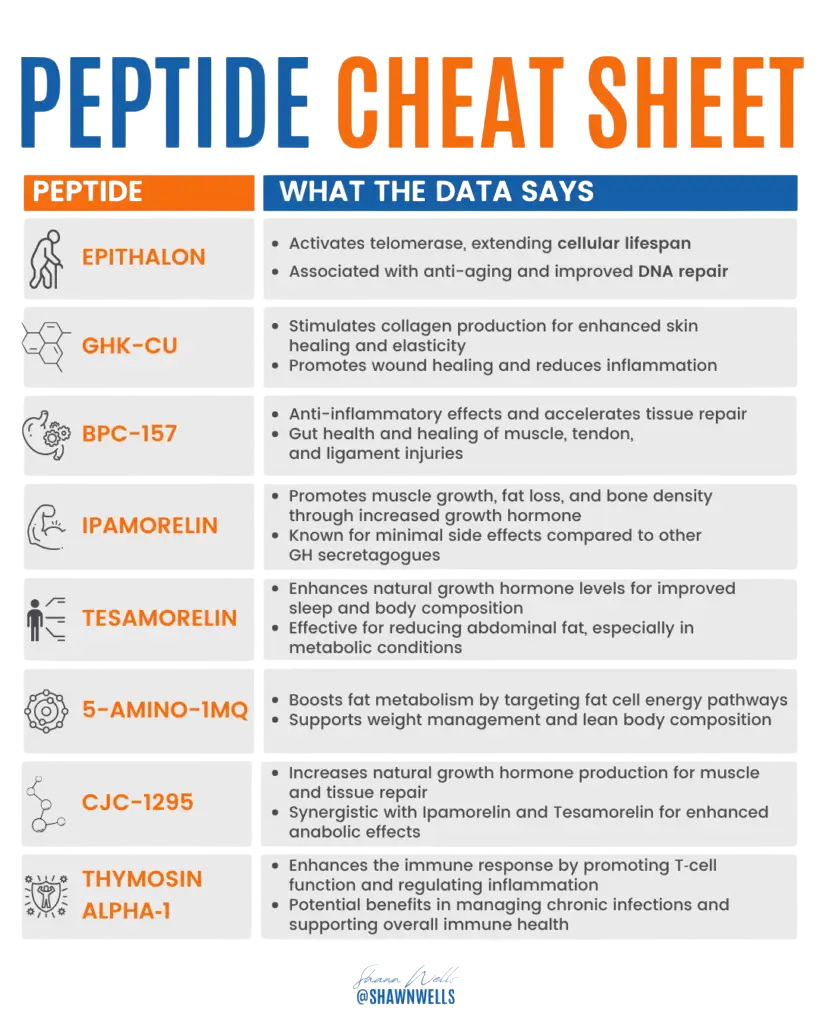
FDA-approved medications for the following:
- Weight Loss & Metabolism
– GLP medications that improve insulin sensitivity, curb appetite, support fat loss & improve overall metabolic health - Injury Recovery & Tissue Repair
- Cognitive & Mood Support
- Healthy Aging & Skin Vitality
- Increased energy & cellular function
Peptide Therapy
Frequently Asked Questions
What conditions can peptide medications treat?
It depends on the specific medication. FDA-approved peptide medications are used for conditions such as diabetes, obesity, osteoporosis, hormone deficiencies, and certain digestive or endocrine disorders. Other proposed uses may not be FDA-approved and may have limited supporting evidence.
Are peptides steroids?
No. Peptides are made from amino acids. Steroids have a different chemical structure and work differently in the body. However, some peptides can influence hormonal pathways.
Are peptide safe?
Safety depends on the particular peptide, its source, the dose, how it is administered, and the patient’s health. FDA-approved medications have undergone formal review. Compounded medications are not FDA-approved or reviewed by the FDA for safety, effectiveness, or quality before they are dispensed.
What are the possible side effects?
Side effects vary by medication and may include:
• Redness, discomfort, swelling, or infection at the injection site
• Nausea or digestive symptoms
• Headache, dizziness, fatigue, or flushing
• Appetite or sleep changes
• Changes in blood sugar, blood pressure, heart rate, or hormone levels
• Fluid retention
• Allergic or immune reactions
• Medication interactions
• Unknown long-term effects with less-studied products
Your provider will discuss the risks specific to your medication.
How are peptides taken?
Depending on the medication, peptides may be given by injection, nasal spray, oral medication, or another route. Many peptides are broken down during digestion, which is why some must be injected.
How quickly will I notice results?
The timeline varies. Some effects may appear within days or weeks, while others may take several months. Some patients may not experience the desired benefit. Results are never guaranteed.
Will I need bloodwork?
Possibly. Your provider may order laboratory tests before treatment and periodically afterward. Monitoring helps determine whether treatment is safe and whether the dose or treatment plan should be changed.
Can peptides replace healthy eating and exercise?
No. When peptides are used for weight management or wellness, they generally work best as part of a broader plan that includes nutrition, physical activity, sleep, stress management, and regular medical follow-up.
What does “compounded” mean?
A compounded medication is specially prepared by a pharmacy for an individual patient’s medical needs. Compounded drugs are not the same as FDA-approved generic drugs and are not reviewed by the FDA before use for safety, effectiveness, quality, potency, or consistency.
Can I purchase peptides online?
Do not purchase products labeled “research use only,” “not for human consumption,” or products from an unverified source. These products may contain the wrong ingredient, an inaccurate dose, contaminants, or no active medication. Use only medication prescribed for you and dispensed by the provider’s authorized pharmacy.
Can I use peptides during pregnancy or breastfeeding?
Many peptide therapies have not been adequately studied during pregnancy or breastfeeding. Tell your provider if you are pregnant, may become pregnant, are trying to conceive, or are breastfeeding before beginning treatment.
Can peptide interact with my medications?
Yes. Tell your provider about every prescription medication, over-the-counter medication, vitamin, supplement, hormone, and peptide you use. Never combine or change treatments without discussing it with your provider.
What should I do if I miss a dose?
Follow the instructions provided for your particular medication. Do not double the next dose unless your provider specifically instructs you to do so.
How should my medication be stored?
Storage requirements vary. Some products require refrigeration and protection from heat or light. Follow the pharmacy label exactly. Do not use medication that has expired, frozen when it should not be frozen, changed appearance, or been stored incorrectly.
When should I contact the clinic?
Contact the clinic if you experience persistent or concerning side effects, begin a new medication, receive a new diagnosis, become pregnant, or have questions about dosing or storage.
Call 911 or seek emergency care for difficulty breathing, facial or throat swelling, fainting, chest pain, severe abdominal pain, confusion, loss of consciousness, or another potentially life-threatening symptom.
OUR APPROACH
At Three Lakes Weight Loss & Wellness, treatment begins with an individualized medical evaluation. When peptide therapy is appropriate, we provide education, discuss available alternatives, monitor your response, and adjust your treatment plan based on safety and measurable results.
Real Results. Restored Vitality.
Peptide Therapy
QUESTIONS TO ASK YOUR PROVIDER
• What is the exact name of the peptide?
• Why are you recommending it for me?
• Is it FDA-approved, prescribed off-label, compounded, or investigational?
• What evidence supports its use?
• What benefits can I realistically expect?
• What are the known and unknown risks?
• Are FDA-approved alternatives available?
• What will treatment cost?
• How long will I use it?
• What follow-up visits or laboratory tests will I need?